Enhance Lab fuses a burst of raw frames into one denoised image with 4× the resolution. On the phone in under a second, on embedded GPUs, or through our cloud API.
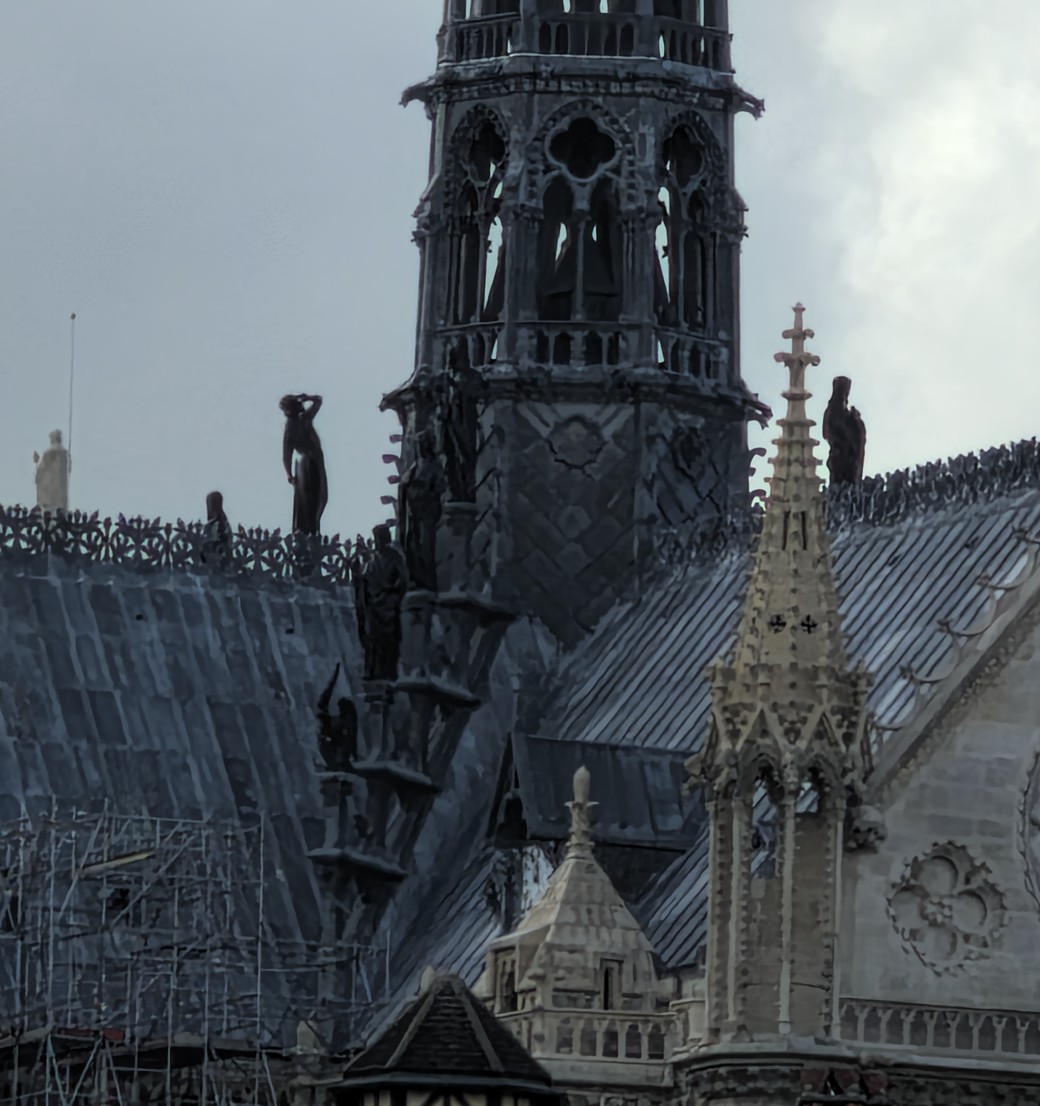
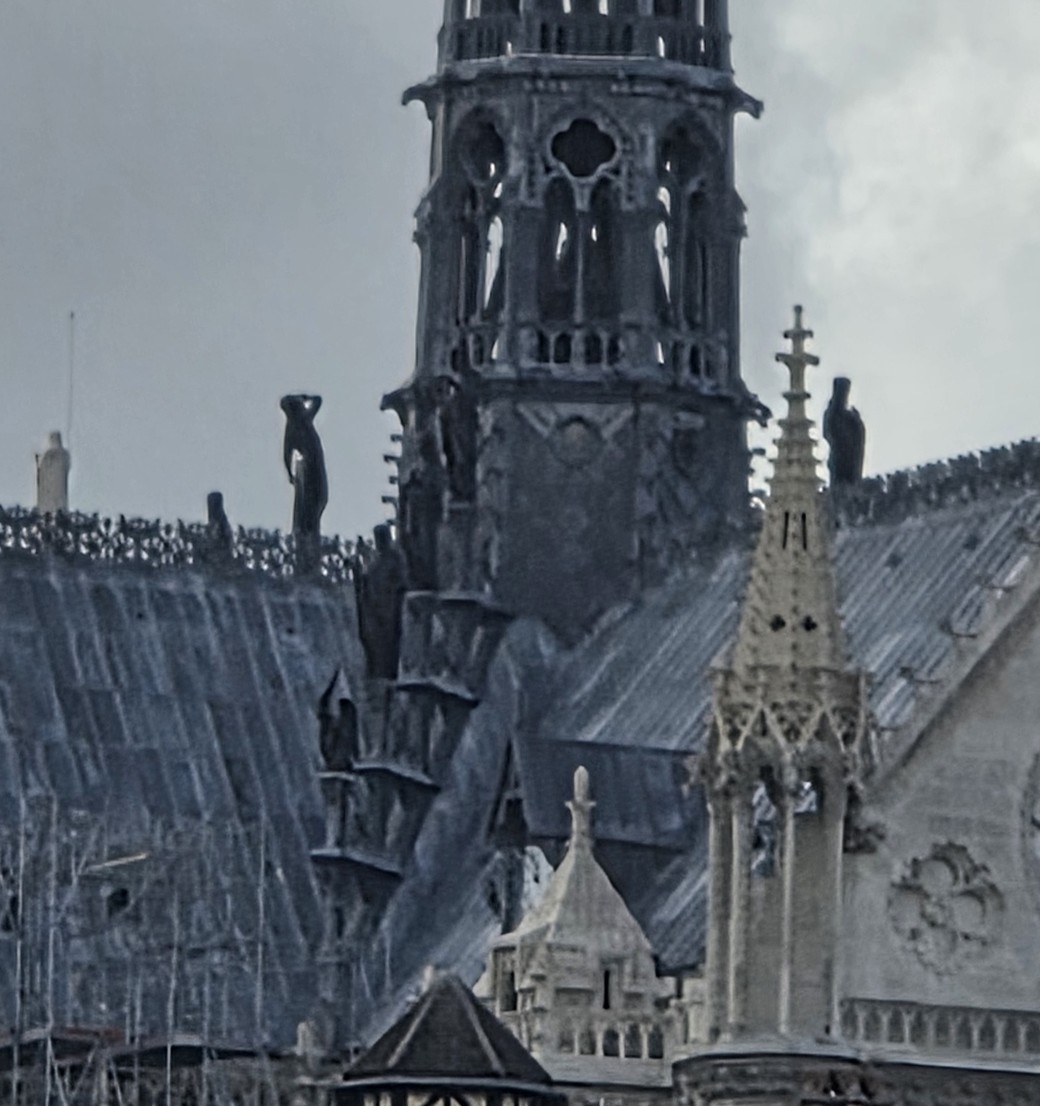
Drag the handles to compare.
Whether handheld or mounted on a drone or vehicle, the camera moves slightly between the frames of a burst, so each frame samples the scene at a different sub-pixel position. Aligning and fusing the frames recovers detail beyond a single frame's pixel grid.
Limited to the sensor's pixel grid, noisy in low light.
10 raw frames, each slightly shifted from the next.
Aligned and fused into one denoised, ×4 super-resolved image.
A burst of raw frames in, one image with 4× the resolution out. On the device or through our cloud API.
Works directly on the sensor's raw frames, Bayer or quad-Bayer. Sub-pixel alignment, then learned reconstruction: a demosaicked, denoised ×4 image out.
Runs on a phone GPU: 0.7 s for 12 MP on iPhone 16 Pro, 0.8 s for 14.5 MP on Galaxy S25. Also available as a cloud API.
One engine, two modes: multi-frame super-resolution for stills, real-time video super-resolution at 60 fps or more, with electronic image stabilization, all on the device.
Nothing is generated: the output is reconstructed from the captured frames. This matters where the image is evidence.
Real FLIR footage, denoised and ×4 super-resolved with the same models. Input left, output right.
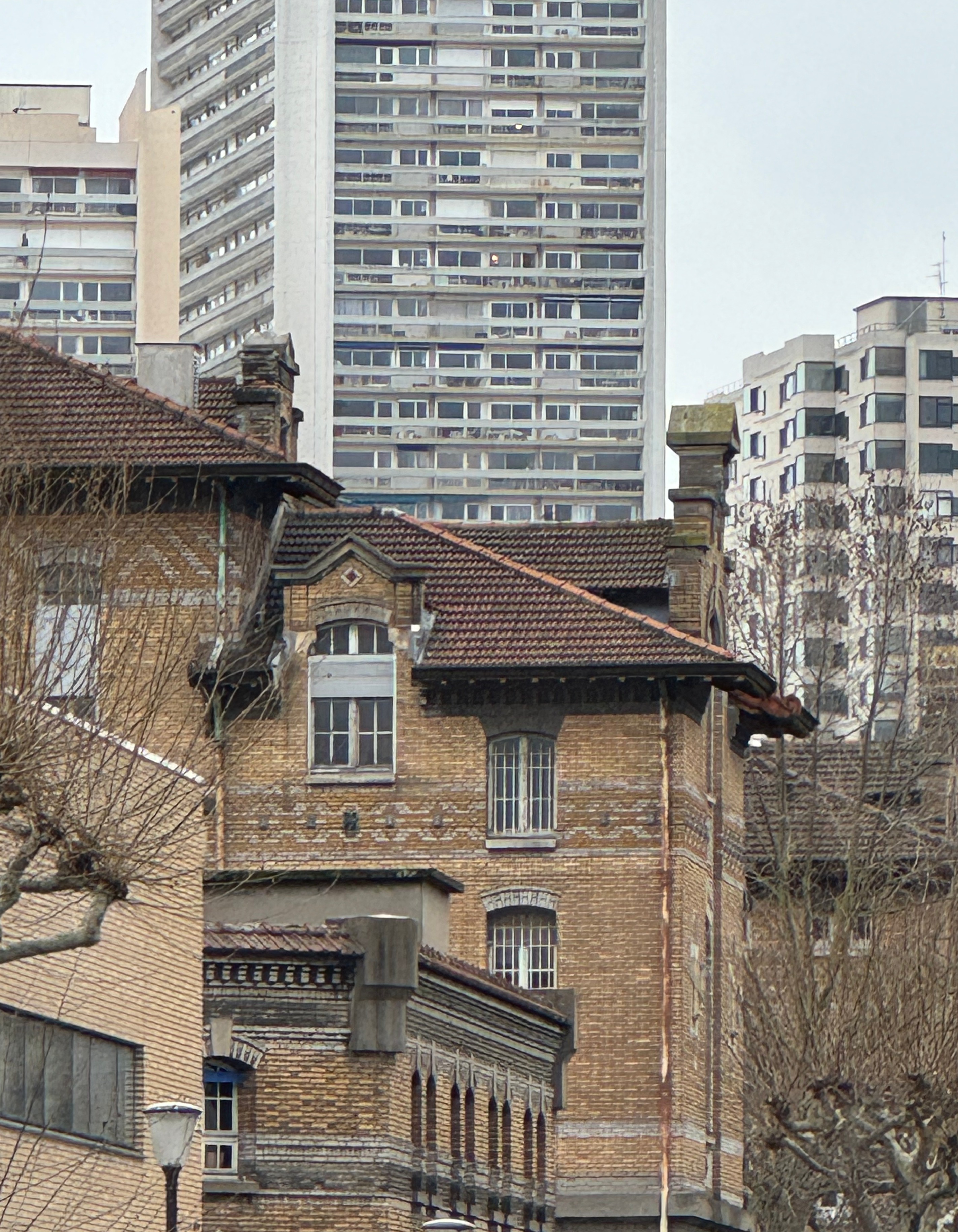
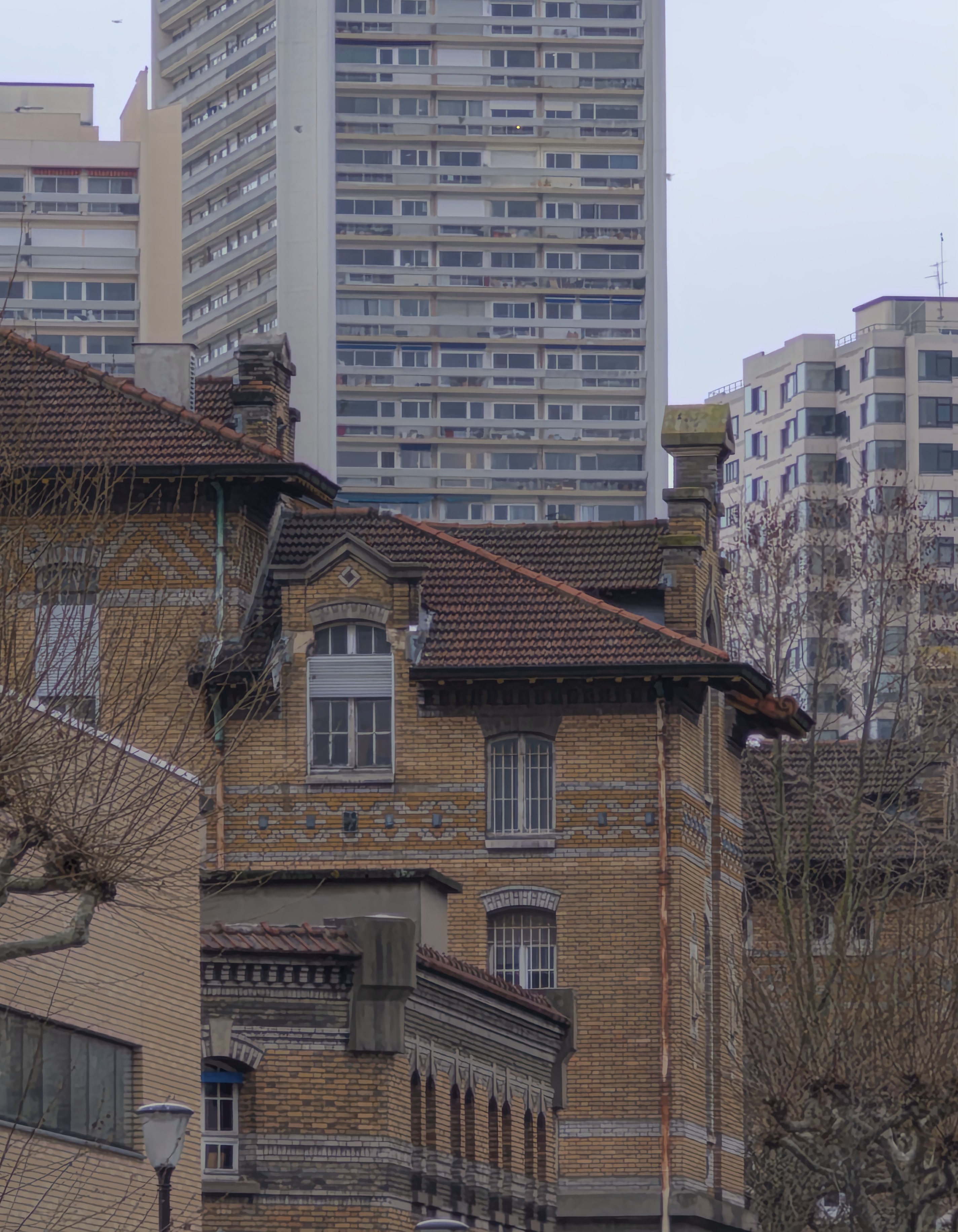
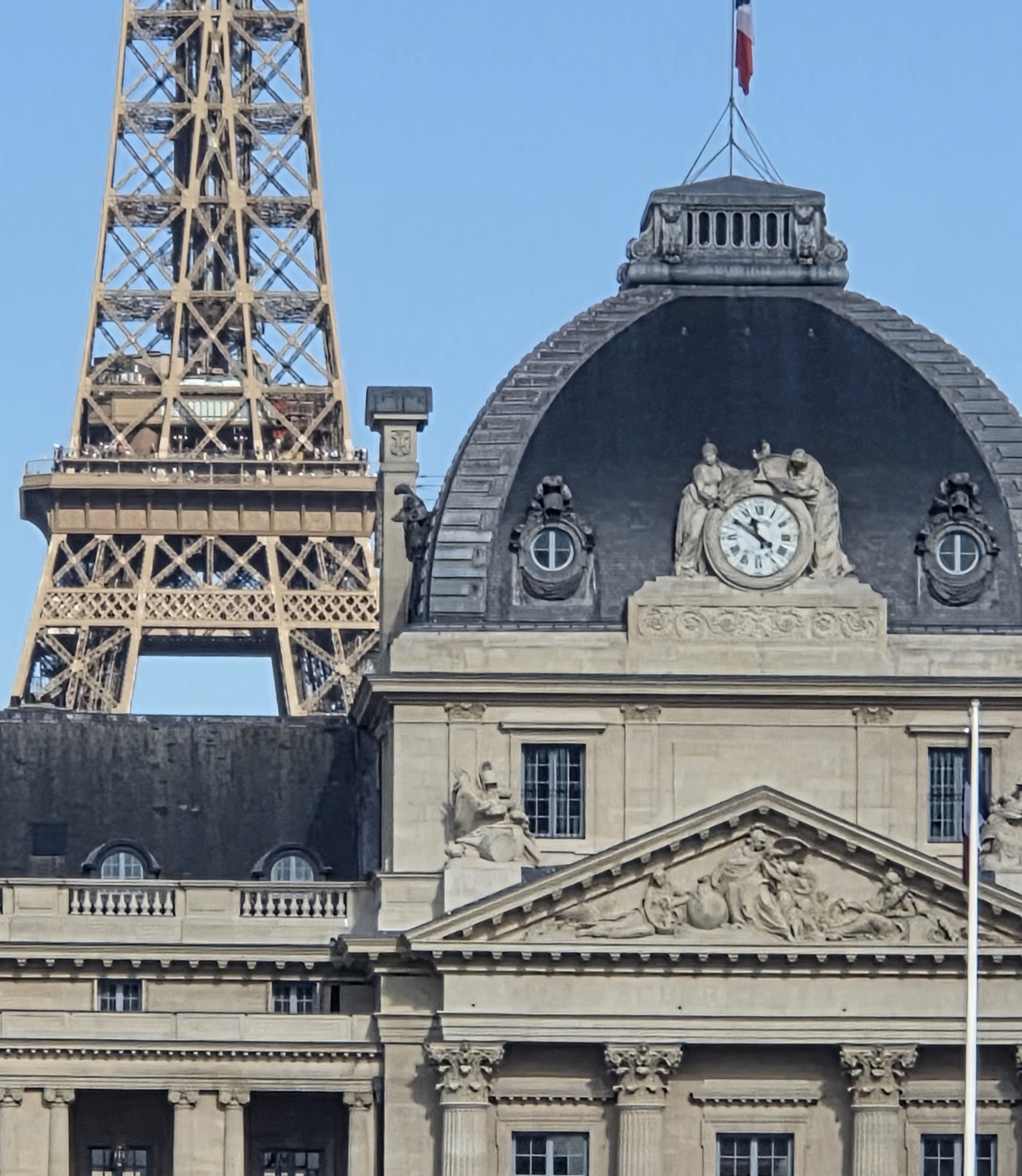
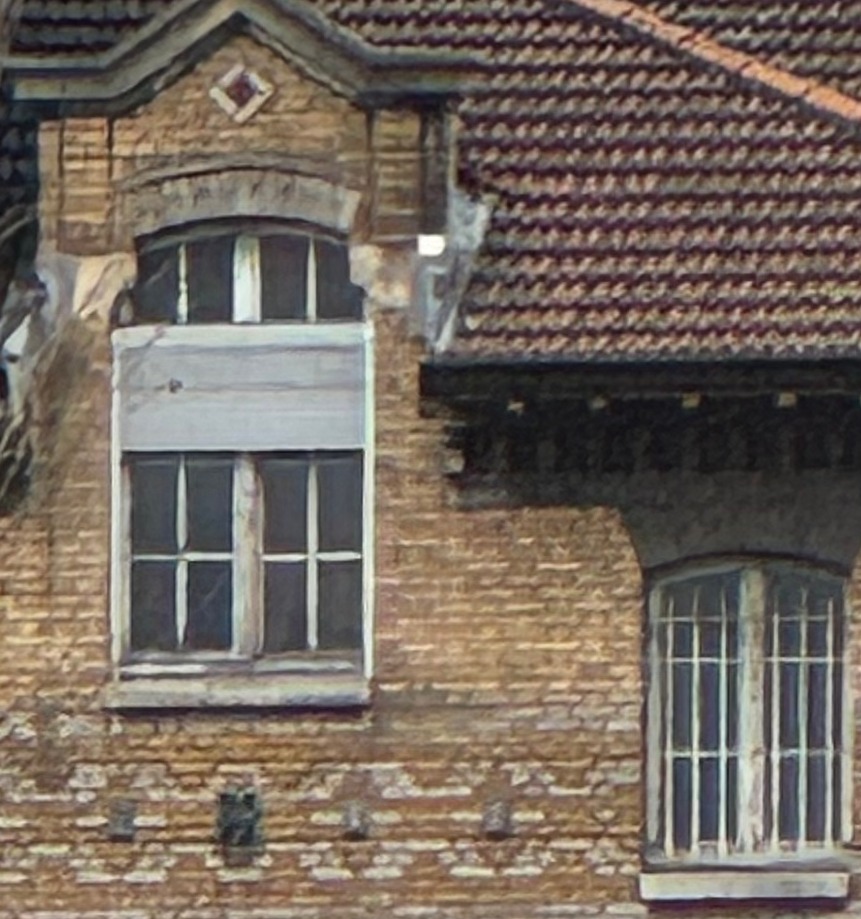
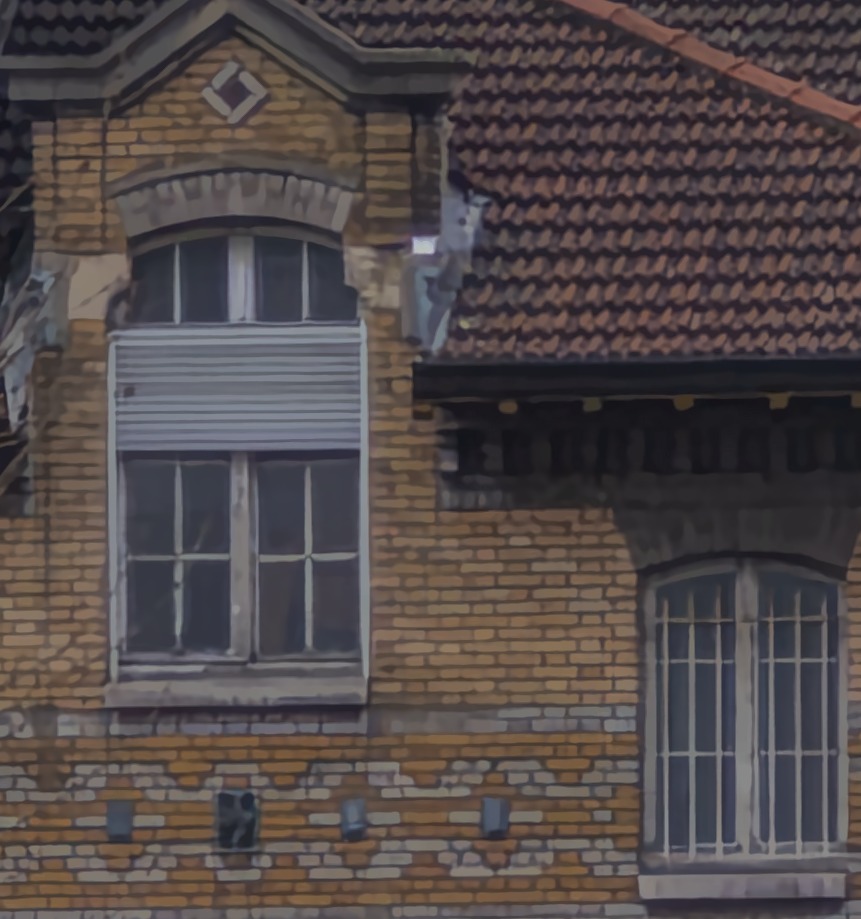
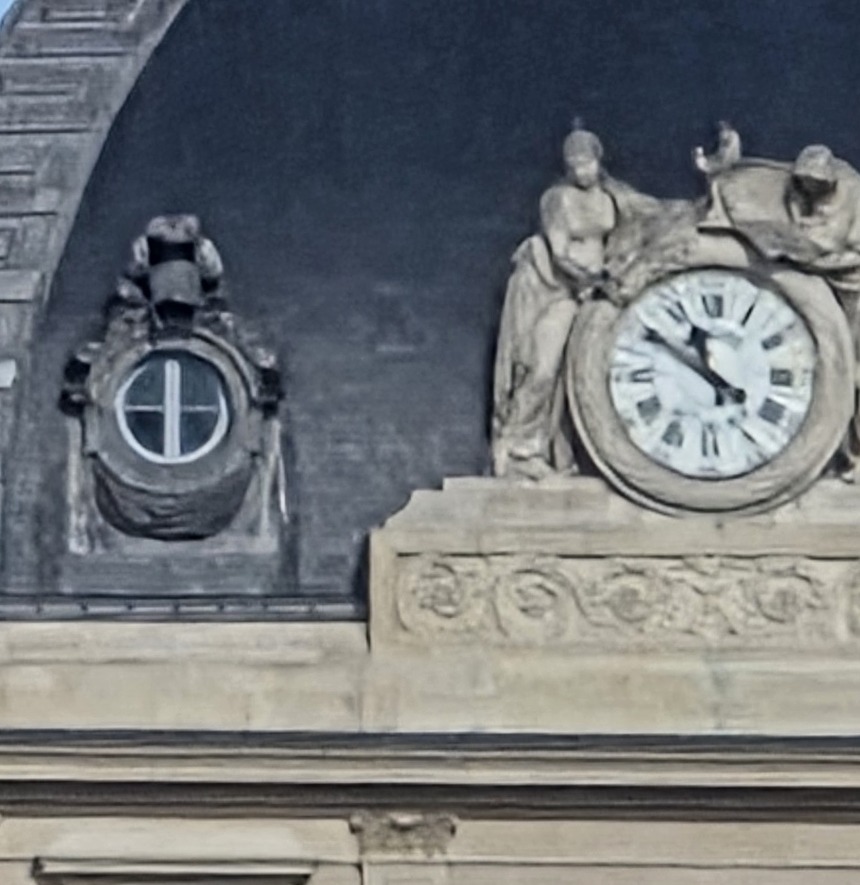
Phone native ×12 (×3 lens + ×4 digital) vs Enhance Lab ×4 on a burst from the same ×3 lens. Same crop on both sides, phone left, ours right; full-resolution and 100% links under each pair.
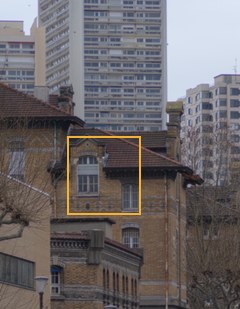
iPhone 15 Pro. Windows, shutter, roof, and brickwork. The marked area is the crop. Full resolution, registered: phone · Enhance Lab
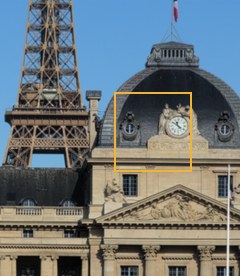
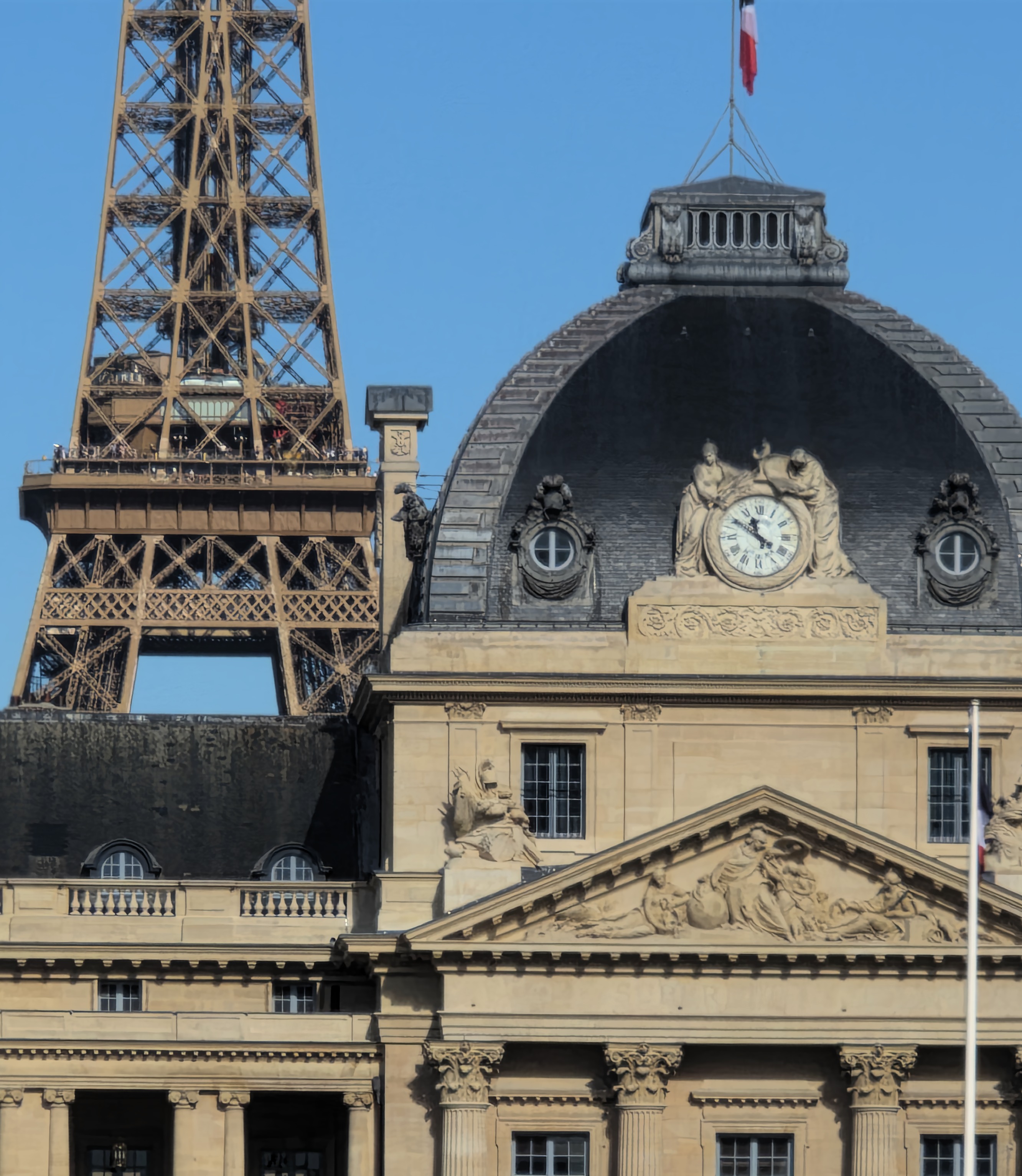
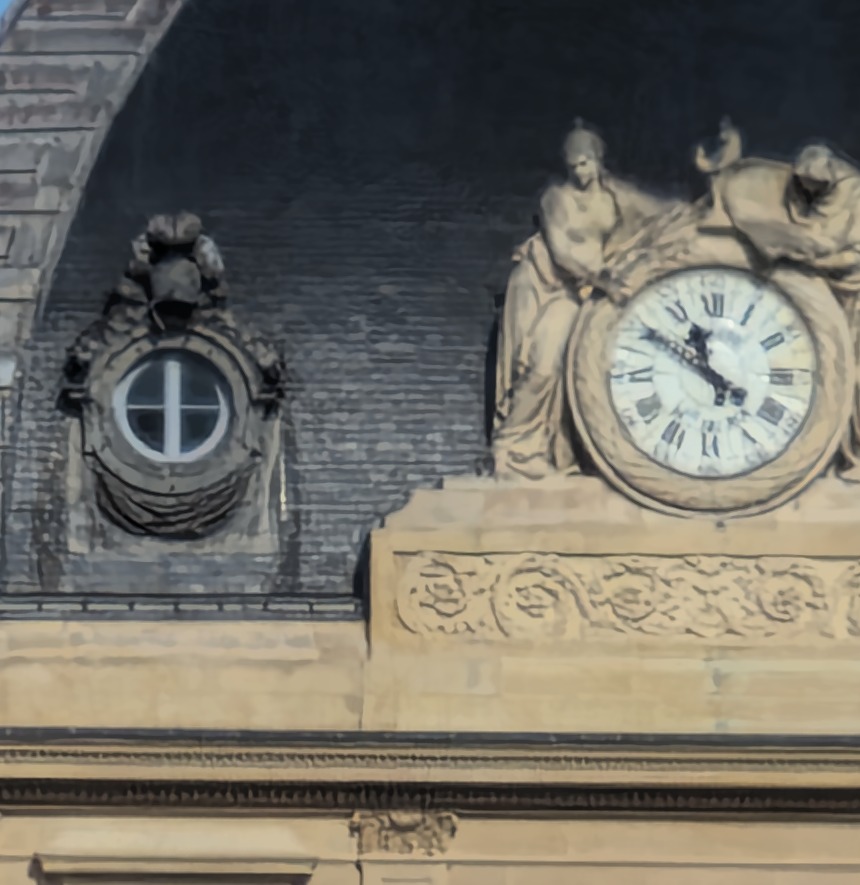
Galaxy S25. Clock, statues, dormer, and frieze. The marked area is the crop. Full resolution, registered: phone · Enhance Lab
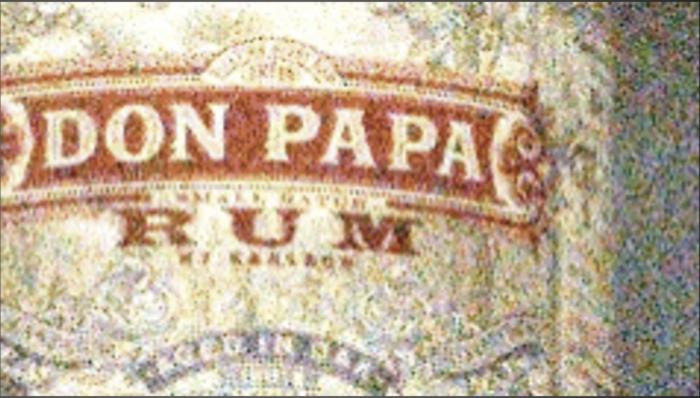
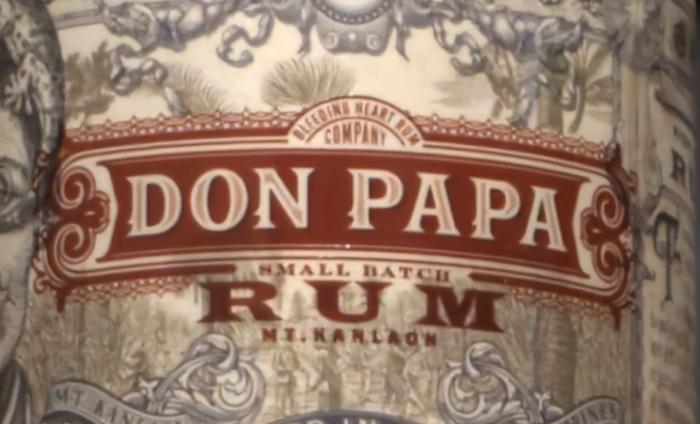
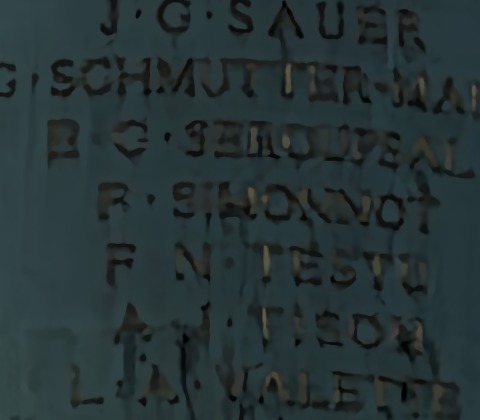
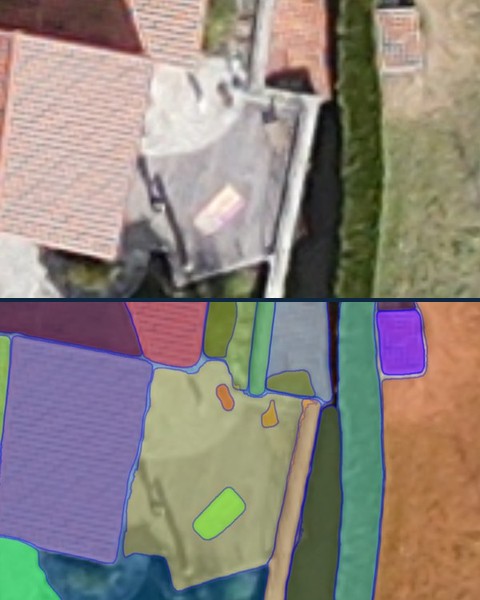
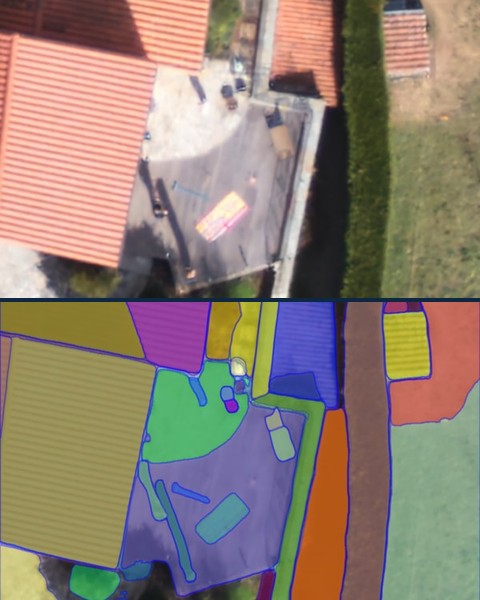
The same output feeds vision models. Text reconstruction (small print, engraved names), segmentation, and an OCR benchmark, shown as obtained.
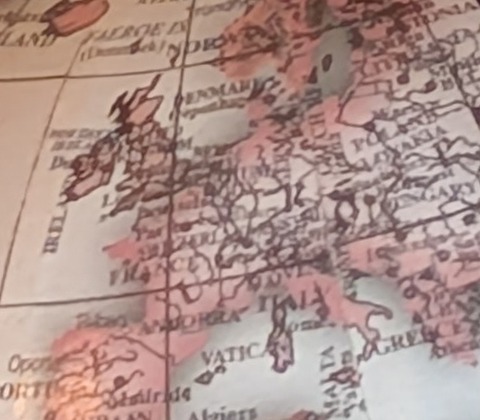
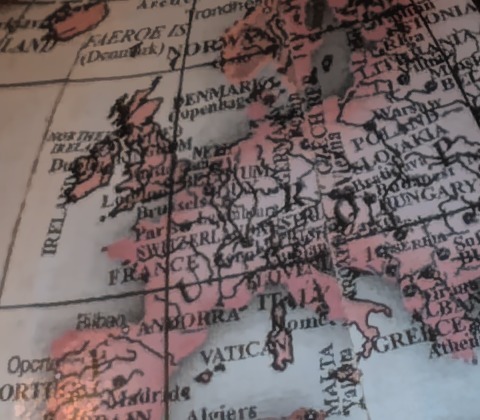
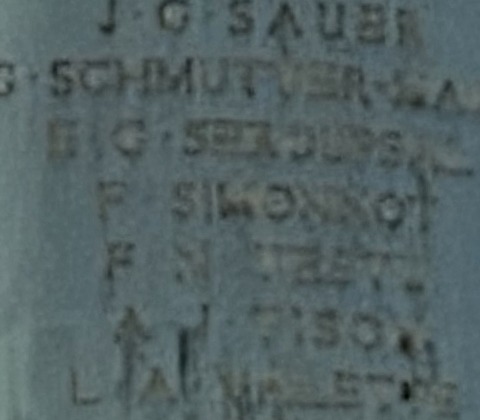
155 plates, third-party detector and OCR. Plates read in full: 31.6% → 77.4%. Characters recovered: 60.7% → 91.8%.
43 plates from the public HDR+ dataset, 112 of ours. Same detector and OCR (fast-alpr) for every row.
A library for phones and embedded platforms, and a cloud API. On-device figures were measured on the devices listed.
Qualcomm SM8750, GPU inference. Stills and live video.
| Input resolution | Output | Burst size | Run time | RAM |
|---|---|---|---|---|
| 640×480 (VGA) | 5 MP | 10 | 340 ms | 550 MB |
| 1280×720 (HD) | 14.5 MP | 10 | 790 ms | 1.4 GB |
| 1920×1080 (Full HD) | 33 MP | 10 | 1.75 s | 1.6 GB |
| 4064×3056 (full sensor) | 196 MP | 10 | 10.3 s | 3.6 GB |
Digital zoom on a region of interest, frame by frame on the GPU. EIS available at CGA, VGA, SVGA, and HD.
| Input | Output | Frame rate | CPU load | GPU load, avg / peak | RAM |
|---|---|---|---|---|---|
| 96×96 | 320×200 (CGA) | 60+ fps | 4% | 15% / 16% | 156 MB |
| 176×176 | 640×480 (VGA) | 60+ fps | 6% | 24% / 27% | 170 MB |
| 208×208 | 800×600 (SVGA) | up to 60 fps | 7% | 31% / 34% | 186 MB |
| 320×320 | 1280×720 (HD) | up to 30 fps | 8% | 53% / 54% | 203 MB |
| 480×480 | 1920×1080 (Full HD) | up to 15 fps | 8% | 81% / 90% | 250 MB |
Qualcomm SM8750, OpenCL and LiteRT on the GPU; the stock camera path stays available. GPU load is temporal utilization; CPU and RAM were measured at 30 fps where the mode allows.
Products: Image Enhancement Processor (RAW-to-RGB pipeline with ×4 zoom), Video SR (real-time), SR core (the library).
×4 video super-resolution running live on the phone.
Samsung Galaxy S25 at its maximum native zoom (×15) vs Enhance Lab on a Galaxy S23 (×60). Same scenes, filmed side by side.
×4 video super-resolution on raw video.
Raw video super-zoom ×4, Panasonic LUMIX S5IIX.
Any sensor that captures more than one frame, from smartphones to thermal cameras. For people and for models.
Professor, ENS Paris and NYU.
Read bio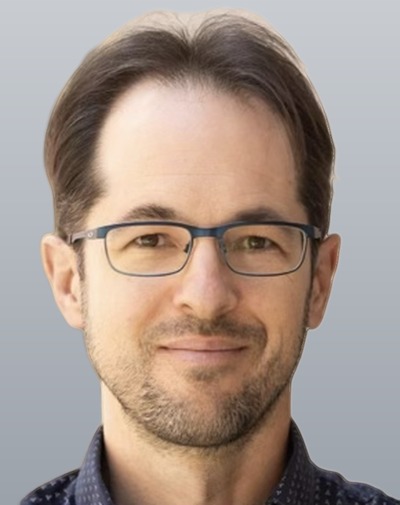
Research Director, Inria.
Read bio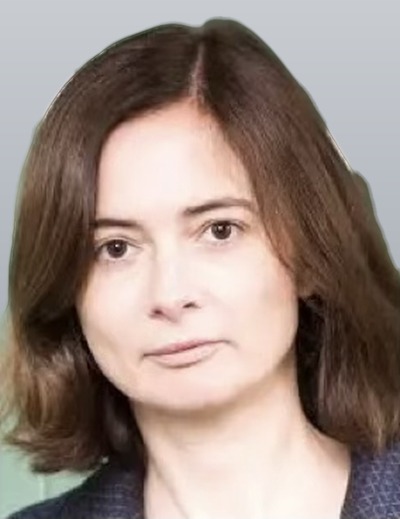
Director, Paris School of AI, PSL University.
Read bio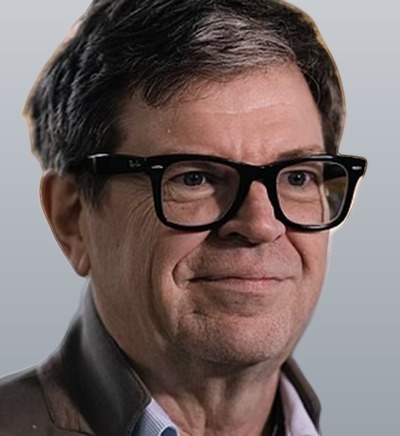
Professor, NYU. Turing Award laureate.
Former Chief AI Scientist, Meta. Executive Chairman, AMI Labs.
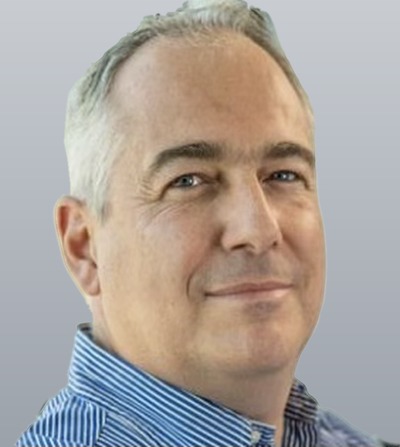
CEO and CTO, DXOMARK.
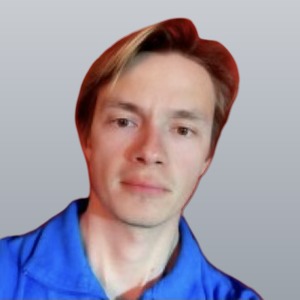
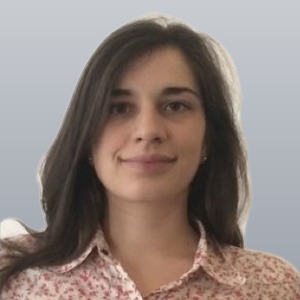
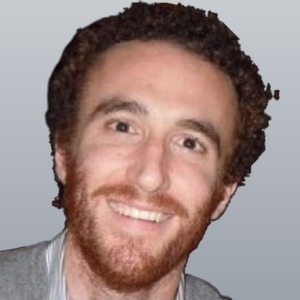
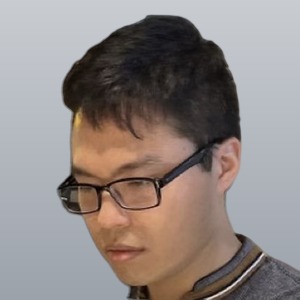
Jean Ponce is co-founder and CEO of Enhance Lab. He is a professor at ENS Paris and NYU, and the scientific director and co-founder of the PR[AI]RIE and PR[AI]RIE-PSAI institutes. He chaired the ENS Computer Science Department from 2011 to 2017, and has been listed among the top 10 French computer scientists.
He is the recipient of an ERC Advanced Grant and of Test-of-Time Awards at CVPR 2016, ICML 2019, and CVPR 2020. He served as general chair of CVPR 2000, ECCV 2008, and ICCV 2023, and as editor-in-chief of the International Journal of Computer Vision from 2003 to 2008 and from 2019 to 2022. He is a Fellow of AAAI, IEEE, and ELLIS, and a member of the Institut Universitaire de France and of Academia Europaea.
He co-authored the textbook Computer Vision: A Modern Approach (over 50,000 copies sold, translated into three languages), the PMVS multi-view stereo software (used by ILM, Google Maps, and Weta Digital), and VICReg.
Julien Mairal is co-founder and CSO of Enhance Lab. He is a research director at Inria, where he heads the THOTH team, and one of Inria's ten most-cited researchers.
His distinctions include ERC Starting and Consolidator Grants, the IEEE PAMI Young Researcher Award, the Inria–Académie des Sciences Young Researcher Award, a Test-of-Time Award at ICML 2019, and the Best Paper Award at ICLR 2024.
He is a co-author of DINO, DINOv2, and DINOv3.
Isabelle Ryl is a board member and strategy advisor of Enhance Lab. She is the director of the Paris School of AI at PSL University, a professor at Université de Lille, and the director and co-founder of the PR[AI]RIE and PR[AI]RIE-PSAI institutes (a €120M budget, 20% of it from industry).
She was previously director of the Inria Paris Center, a board member of Agoranov, and vice-president of Cap Digital. She sits on the boards of the ICM Foundation and of ENPC, and is a member of the Prime Minister's Generative AI Committee.
Maxim is VP of Engineering at Enhance Lab and a PhD engineer with over 10 years of experience in GPU computing, computational imaging, computer vision, and ML inference. Before Enhance Lab, he held engineering and technical leadership roles at Xiaomi, UpStride, and GoPro, with earlier experience at Thales.
He specializes in turning advanced imaging and ML research into production systems, from model and algorithm design to high-performance GPU kernels and deployment on mobile and cloud platforms. His work spans image restoration, super-resolution, video stabilization, real-time computer vision, and optimized AI inference across CUDA, OpenCL, Metal, OpenGL/GLSL, TensorRT, Core ML, and mobile ML runtimes.
A longtime GPU programming enthusiast, Maxim is passionate about extracting maximum performance from constrained hardware and co-designing algorithms, models, and compute backends for efficient real-world products.
Eva is a principal R&D engineer specializing in computer vision, computational photography, and image restoration. She has over 10 years of experience developing imaging algorithms, from research and prototyping to camera integration and embedded deployment. Before Enhance Lab, she spent nine years at GoPro, with earlier experience at CEA.
Her work spans multi-image super-resolution, raw image processing, ISP, deep-learning-based restoration, embedded inference, and image quality evaluation. At Enhance Lab, she develops restoration and computational photography algorithms and works with customers to adapt and evaluate them for real-world imaging systems and their constraints.
She particularly enjoys bridging imaging physics, machine learning, and practical camera design to turn research ideas into robust, high-quality imaging solutions.
Giuseppe is a principal R&D engineer with a background in machine learning, computer vision, and signal processing, and a particular interest in extracting the most useful information from different types of sensors.
Over more than a decade, he has worked with cameras, 360° cameras, automotive radar, lidar, and optical interferometers. His experience ranges from image restoration and computational photography to radar and lidar perception for ADAS, including sensor calibration, 3D object detection, segmentation, and tracking. He has worked at GoPro, Xiaomi, Zendar, and the UK's National Physical Laboratory.
What he enjoys most is tackling problems at the intersection of sensors, physics, and algorithms: understanding what limits a sensing system, developing the right combination of signal processing and machine learning, and turning research ideas into solutions that work reliably on real hardware.
Long is an R&D engineer at Enhance Lab specializing in computational imaging, super-resolution, and image restoration. He holds an MVA master's degree and a PhD in applied mathematics from ENS Paris-Saclay, where he worked on computer vision and computational imaging. His doctoral research centered on self-supervised image and video restoration for satellite imagery, leading to several CVPR publications and multiple Best Student Paper awards.
At Enhance Lab, he develops algorithms to extract maximum image quality from raw burst data, combining registration, multi-frame fusion and super-resolution, and PSF and image-formation modeling, with an emphasis on reliable reconstruction under challenging acquisition conditions.
Working closely with the production team, he turns research ideas into robust, computationally efficient solutions, co-designing algorithms and implementations for real-world camera pipelines and hardware constraints.
Yassine is an R&D engineer at Enhance Lab, where he develops visual analysis algorithms. He holds an engineering degree from ENSAE Paris and a master's in data science from Institut Polytechnique de Paris.
Before joining Enhance Lab, he worked on computer vision at Sony R&D and Inria, covering 3D reconstruction, medical image segmentation, and human gesture modeling and generation.
Vincent is a PhD student at Enhance Lab and Inria, developing deep learning methods that recover sharp, high-resolution detail from degraded video. He began in medical imaging, working on MRI reconstruction and image restoration at Université de Bordeaux, before joining Enhance Lab to focus on video. He holds an engineering degree from Télécom Paris and the MVA master's degree from ENS Paris-Saclay.
Titouan is a research engineer and is about to start a CIFRE PhD with Enhance Lab and Inria (THOTH team), working on physics-aware image restoration: combining optical modeling with learned priors so that restored images stay both convincing and faithful to reality.
He holds the MVA master's degree from ENS Paris-Saclay and an engineering degree from École des Ponts ParisTech. At Enhance Lab, which he joined as a research intern, he works on correcting lens aberrations directly in the raw domain, from blindly estimating spatially varying PSFs to restoring sharper, chromatically corrected images. He previously applied deep learning to medical imaging at GE Healthcare, protein modeling at Scuola Normale Superiore in Pisa, and drug design at Sanofi.